Oct 24, 20265 Things to Know Before You Wait for Rates to DropOct 23, 2026The Market Feels Frozen. Don't Panic. Do These 4 Things Instead.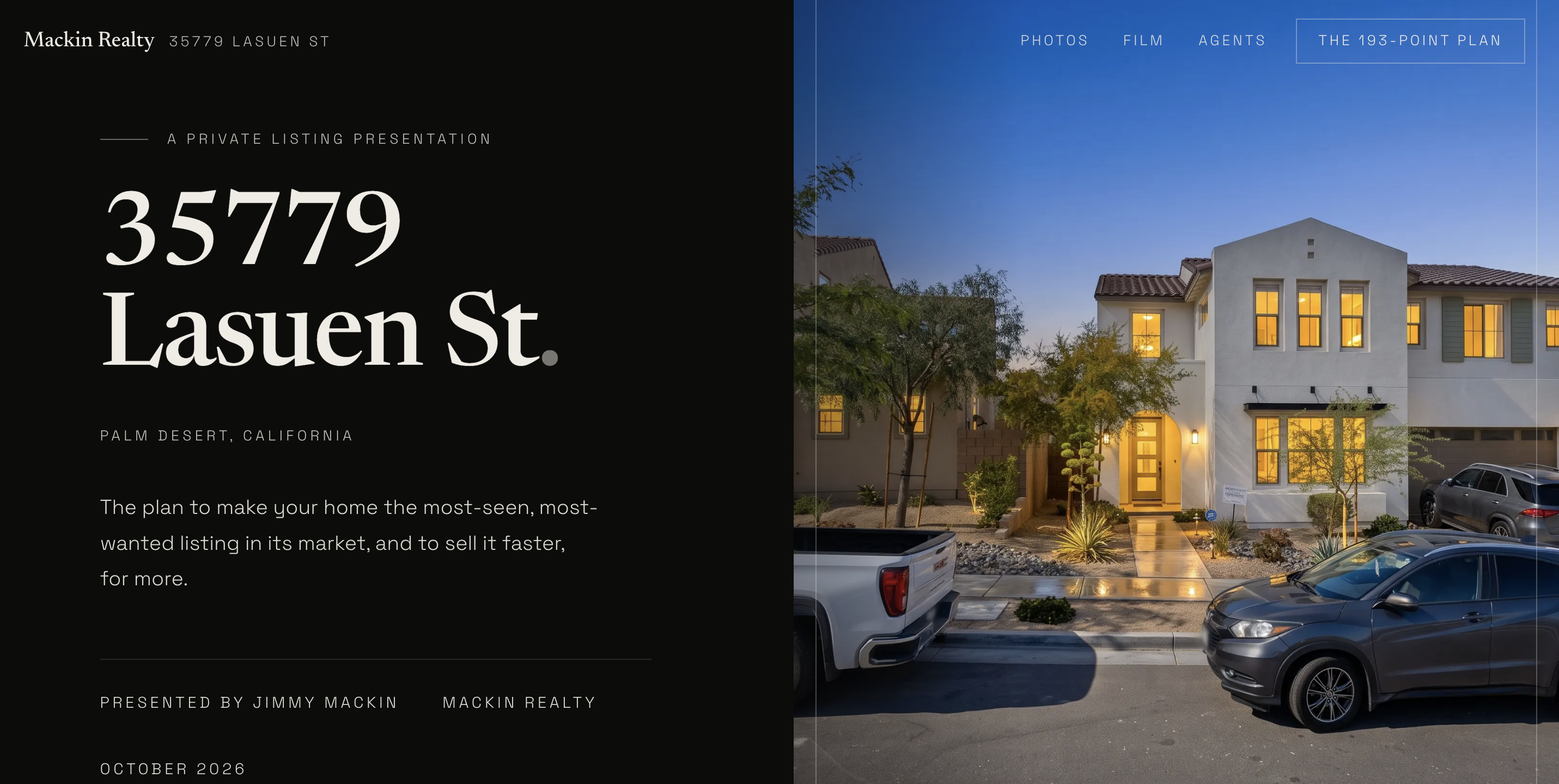 Oct 19, 2026Why Drips and Listing Alerts Aren’t Enough to Get Deals From Your DatabaseVideo · Sep 26, 2026Five Campaigns to Finish the Year StrongVideo · Sep 25, 2026Five Emails That Book Your Next Listing AppointmentSep 19, 2026I let ChatGPT Edit My Video (Guide)A practical guide to creating a polished talking-head Reel with ChatGPT and HyperFrames.
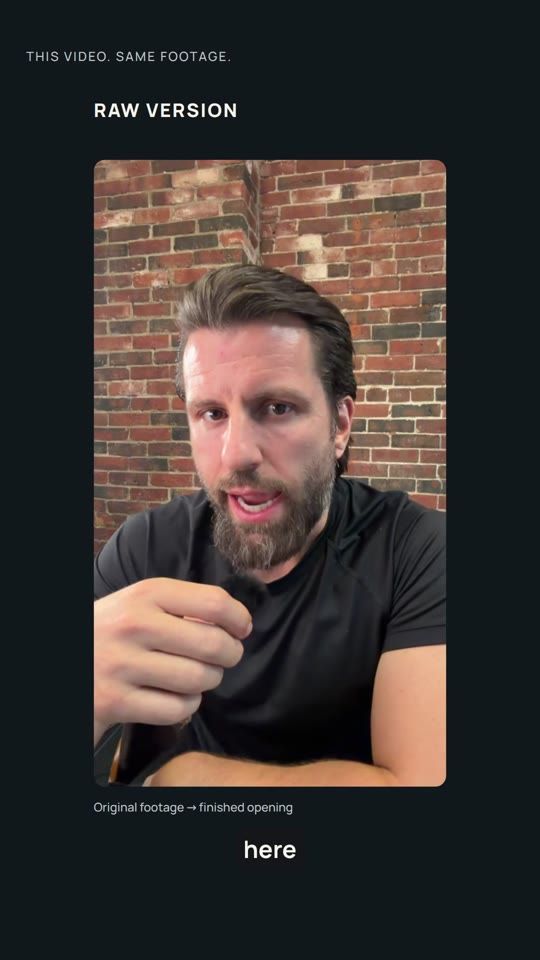 AI · Sep 9, 2026How to use AI to Follow Up with LeadsA price drop, a nearby sale, a credit a buyer negotiated. Set up Astra in ChatGPT Work to email the right 20 contacts weekly, with the exact instructions.
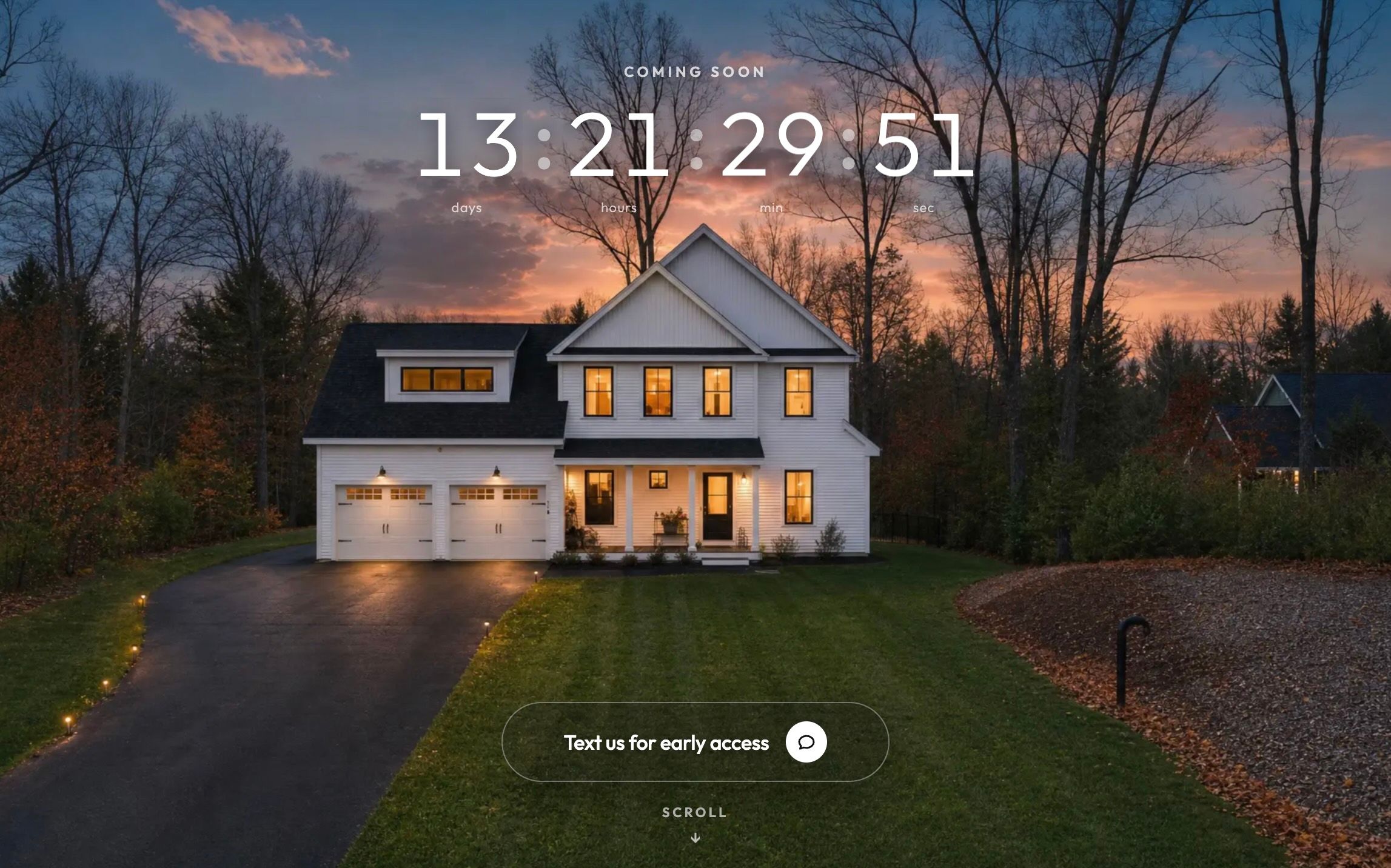
 Marketing · Sep 4, 2026How I Built a Landing Page That Follows UpA coming soon listing page with one button: tap it, text, and get a reply in seconds. Every prompt, tool, and how to recreate it yourself.
 Aug 31, 2026Low-Cost Lead Generation For Real Estate AgentsAug 25, 2026Nine ways to turn every listing into more listingsListing marketing
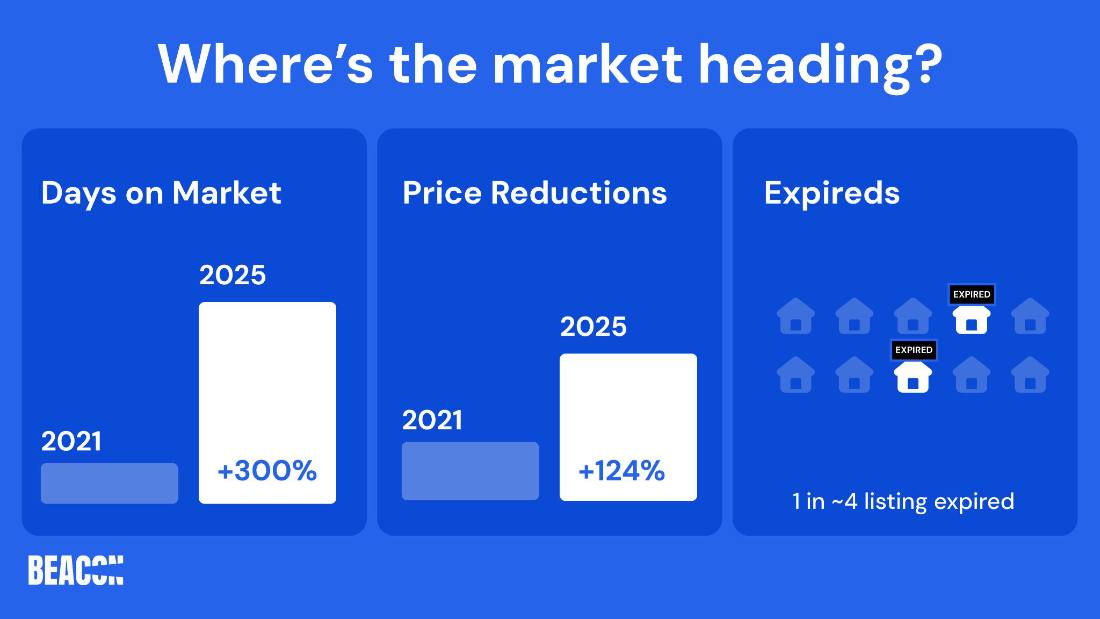 Aug 25, 2026The second touch: a better way to turn prospecting into conversations.The simplest way to book more appointments - add a 2nd touch (here's how)
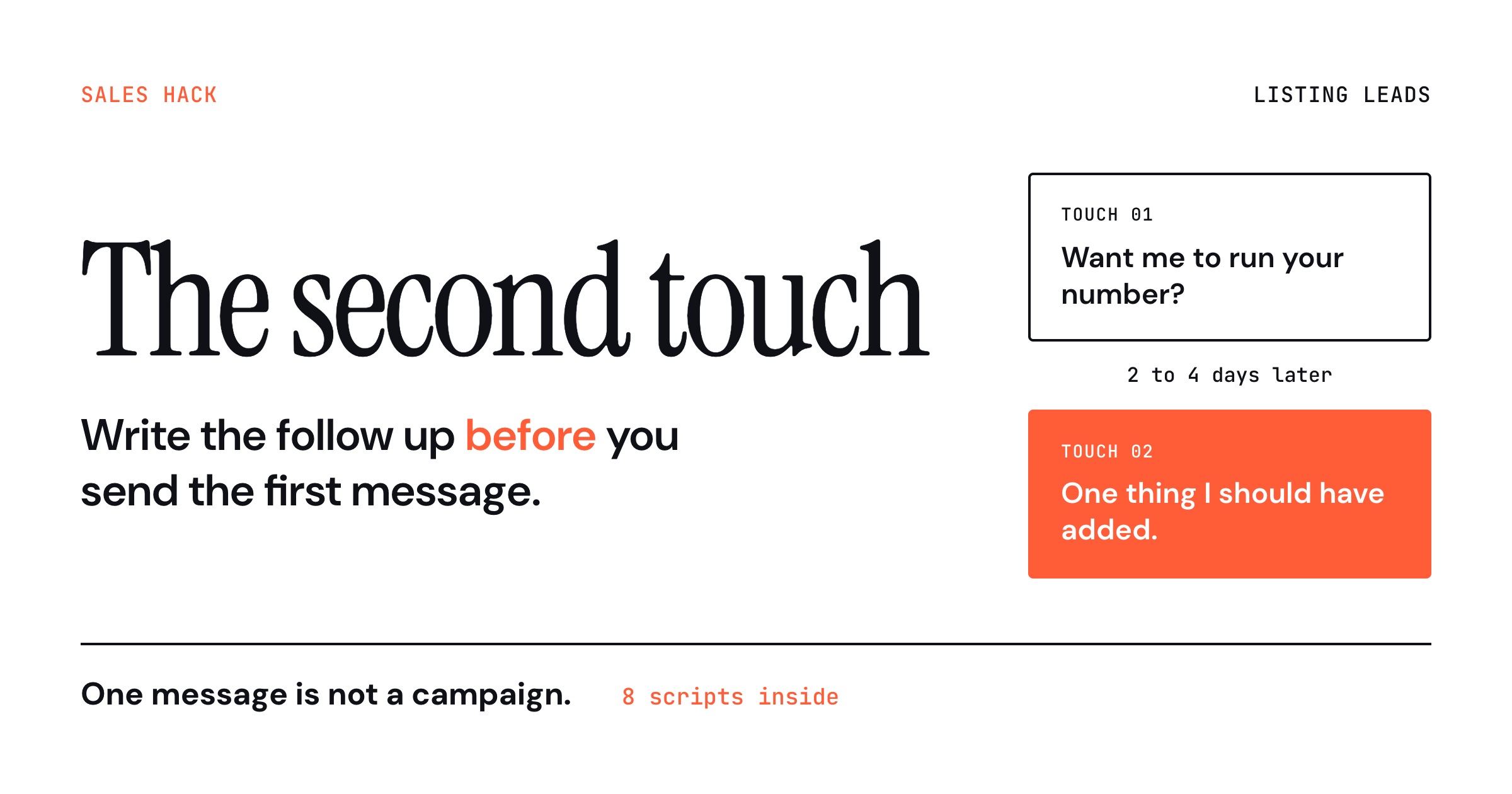
 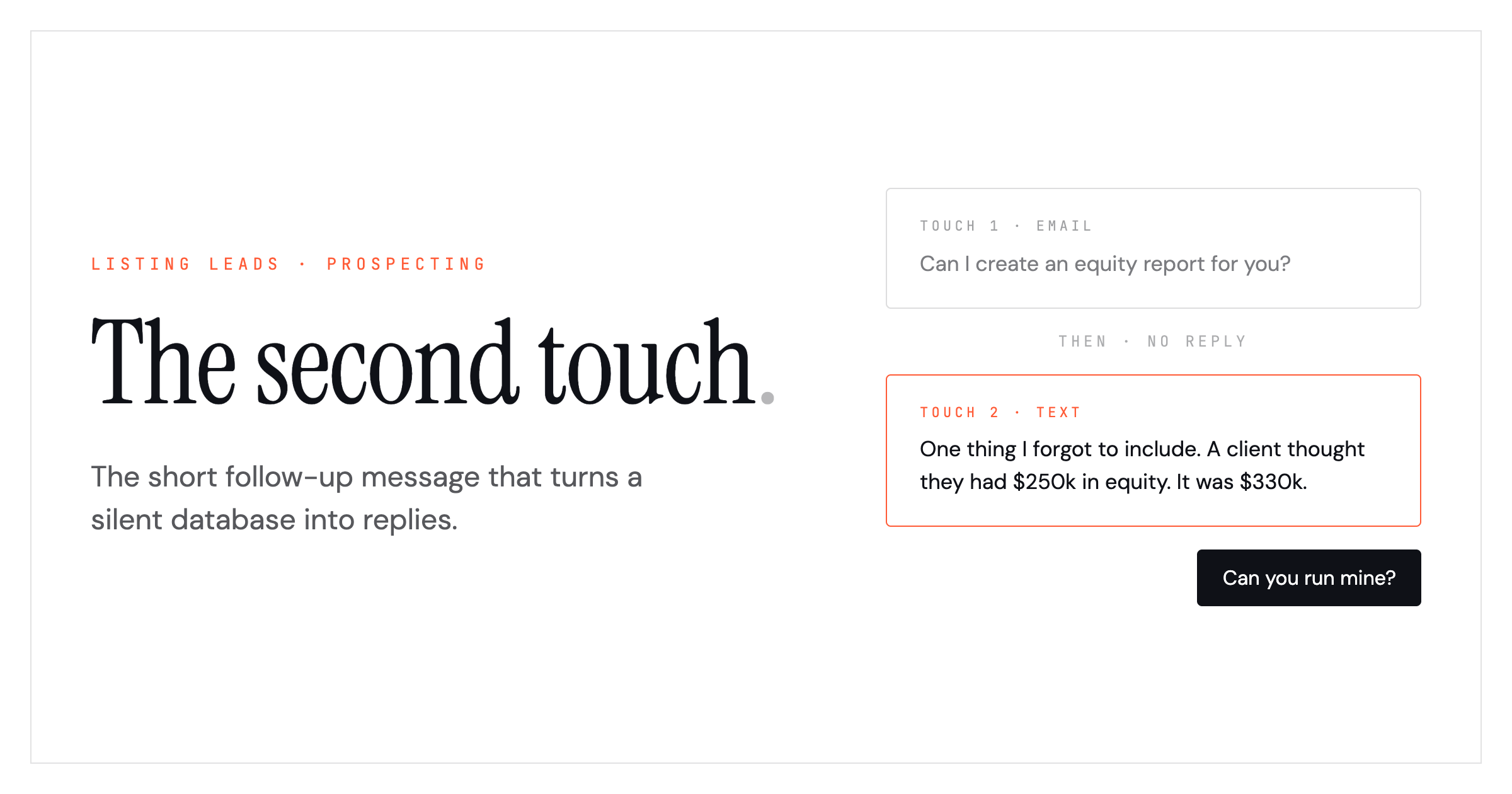 Aug 24, 2026My favorite sales hack: the second touchThe second touch is a second message you plan before you send the first one. In my experience working expired, farm and database lists, most outreach stops.
 Aug 21, 2026Real estate conversation starters: 28 openers that actually get a replyScripts·Database·28 openersAug 19, 2026Real estate agents vs. OpendoorInstead of running cash offer campaigns, try this instead
 Email marketing · Aug 18, 2026How to turn your email list into listing appointments (with examples)Two campaigns plus five marketable moments per listing, with the exact copy for each. Turn the database you already have into listing appointments.
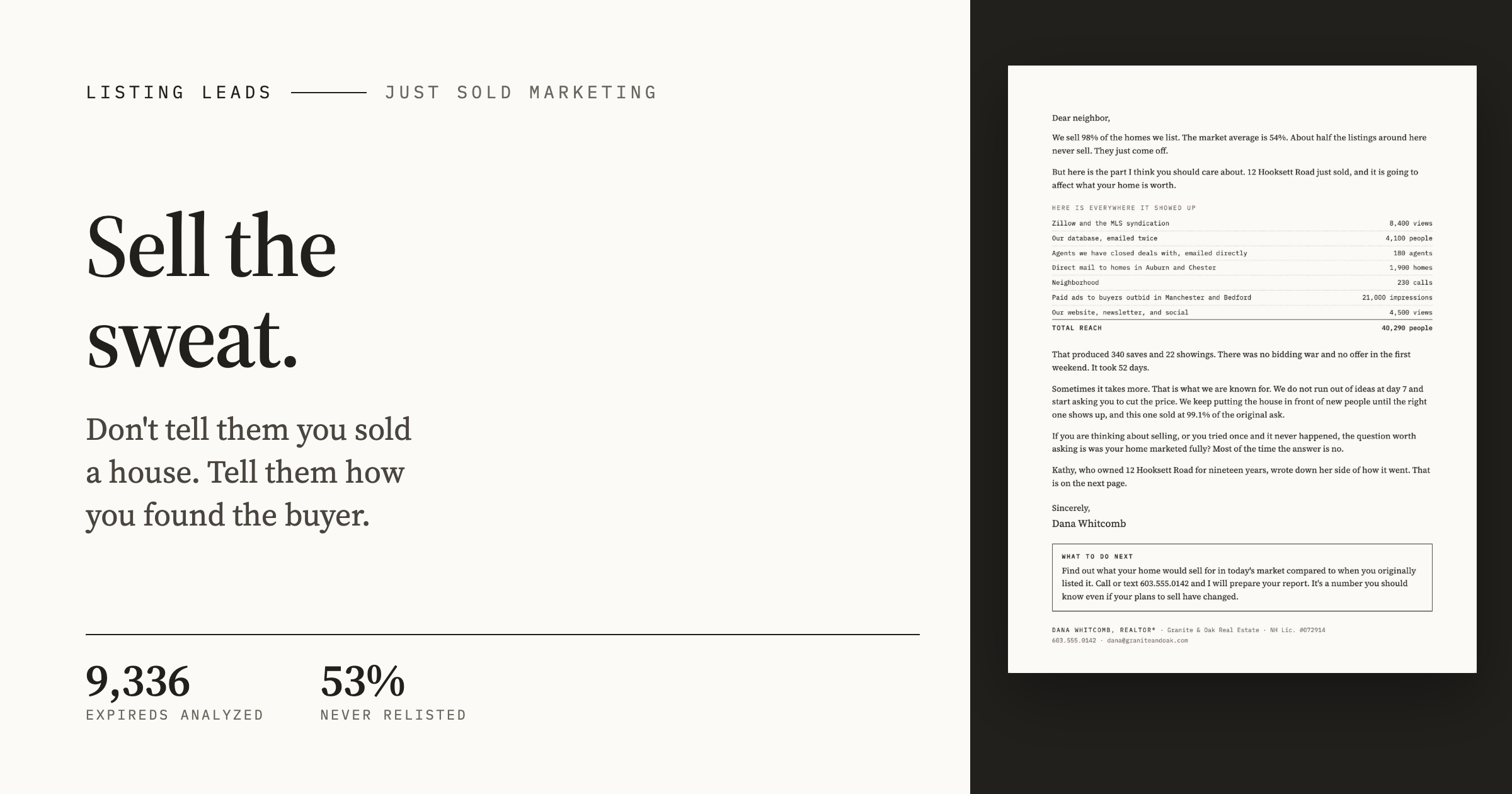
 Aug 16, 2026A New Approach to Just Sold MarketingWhen you list a home, does it sell? Your farm is full of people who already found out the hard way that the answer is often no.
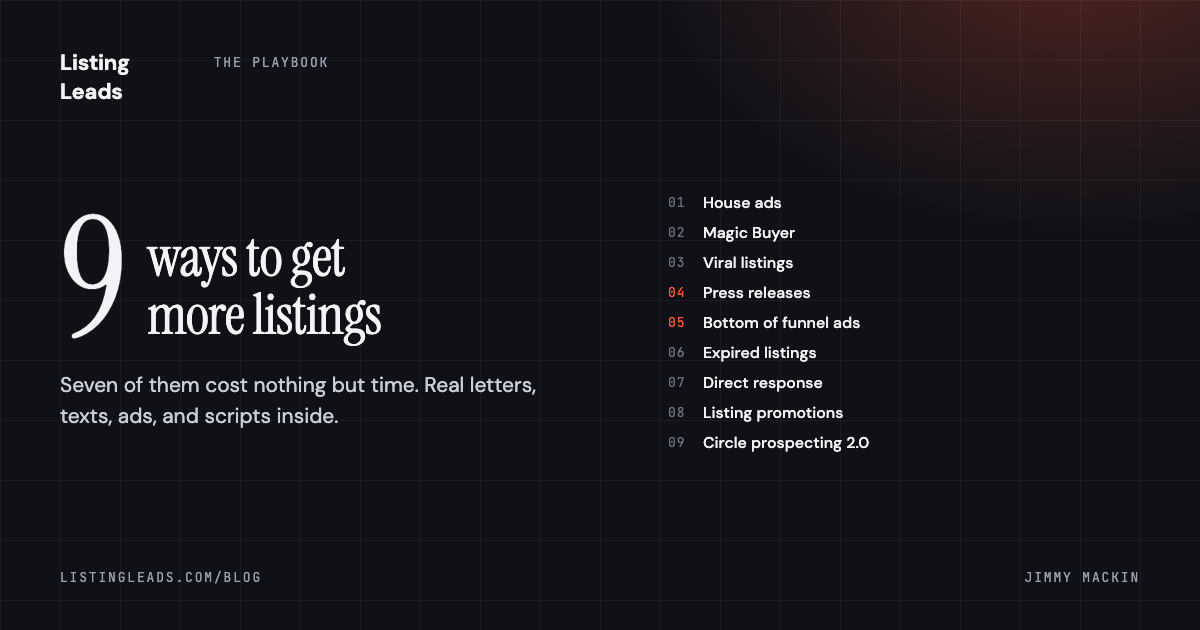
 Listing leads · Aug 13, 20269 ways to get more listingsNine listing lead plays you can start this week. Scripts, letters, and flows included.
 Aug 12, 2026The Magic Buyer playbook: how one qualified buyer becomes nine listing campaignsMost agents look at a buyer and see one commission. That's the wrong math.Aug 11, 202657 real estate cold outreach openers that get repliesCopy and paste scripts, organized by the one thing most cold outreach is missing: a legitimate reason to contact this person today.Marketing · Jan 31, 2026AI for Real Estate Listings: 2026 Market TrendsLearn how to use AI for real estate listings to write better copy, improve visuals, respond faster, and stay compliant without losing your voice.
 Research · Jan 31, 2026Expired Listing Guide for Realtors: 2026 Success PlanTurn expired listings into signed clients with a simple daily routine, calm scripts, and a meeting process that fixes what broke the first time.
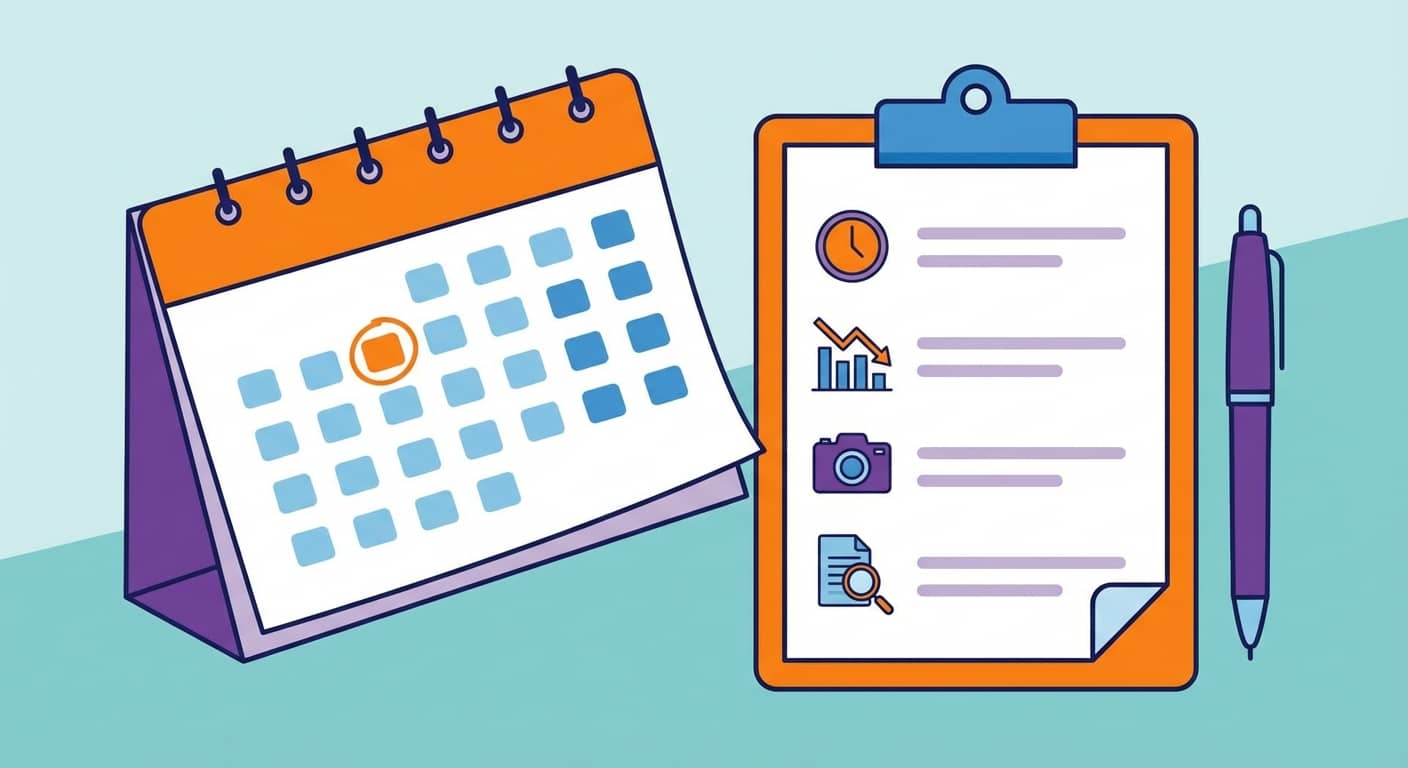 Marketing · Jan 31, 2026Expired Listing Scripts: 2026 Realtor Success TipsUse these expired listing scripts to start real conversations, handle pushback calmly, and book more seller meetings without sounding like a cold caller.
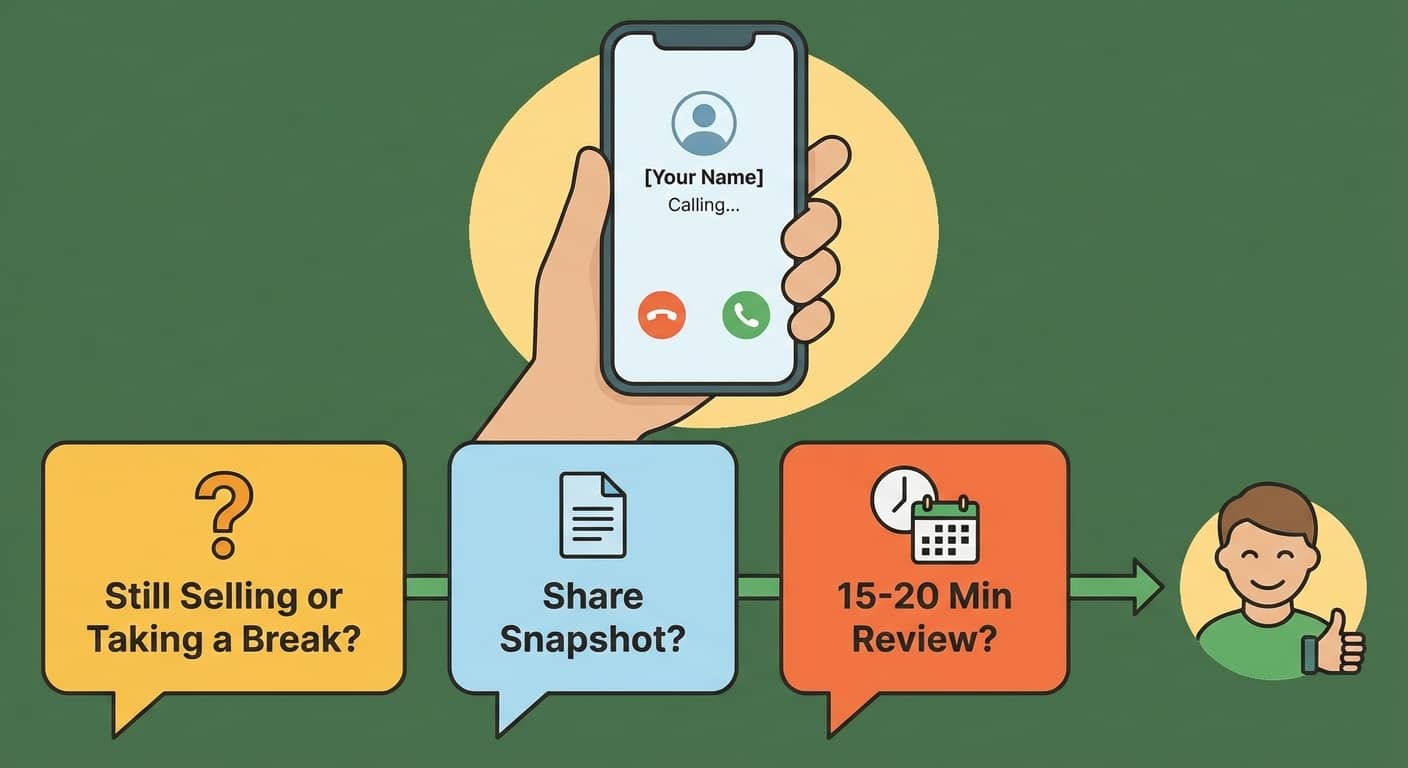 Marketing · Jan 31, 2026Expired Listings Letter Examples – Proven Templates 2026Use these expired listings letter examples to stand out fast, earn seller trust, and book more listing appointments with a simple follow-up system.
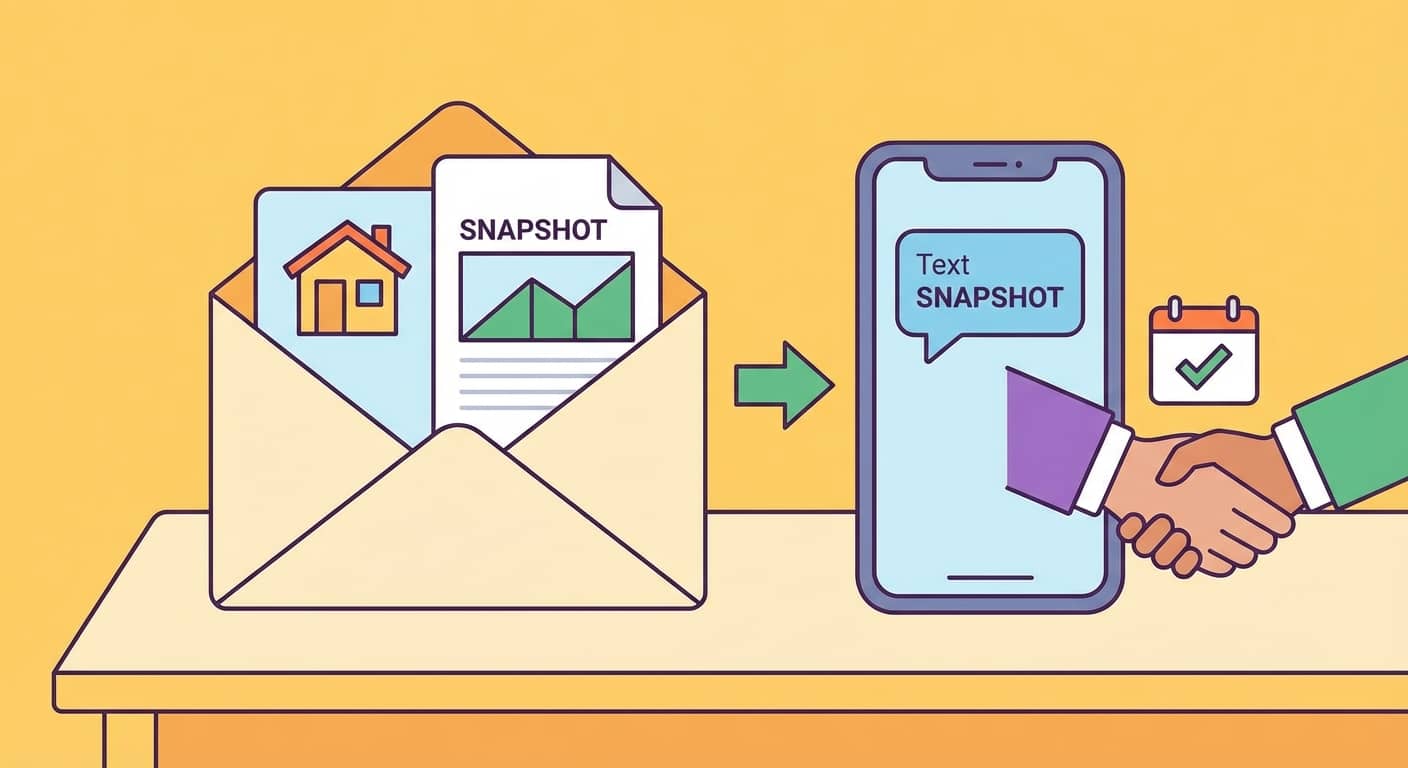 Research · Jan 31, 2026Expired MLS Listings: 2026 Market SecretsExpired MLS listings aren’t dead ends. Learn how to spot the best ones fast, start the right conversation, and win the relist with a clear plan.
 Research · Jan 31, 2026How to Find Expired Listings on Zillow: 2026 GuideLearn how to find expired listings on Zillow, spot motivated sellers, and turn vanished listings into a reliable source of high-converting leads.
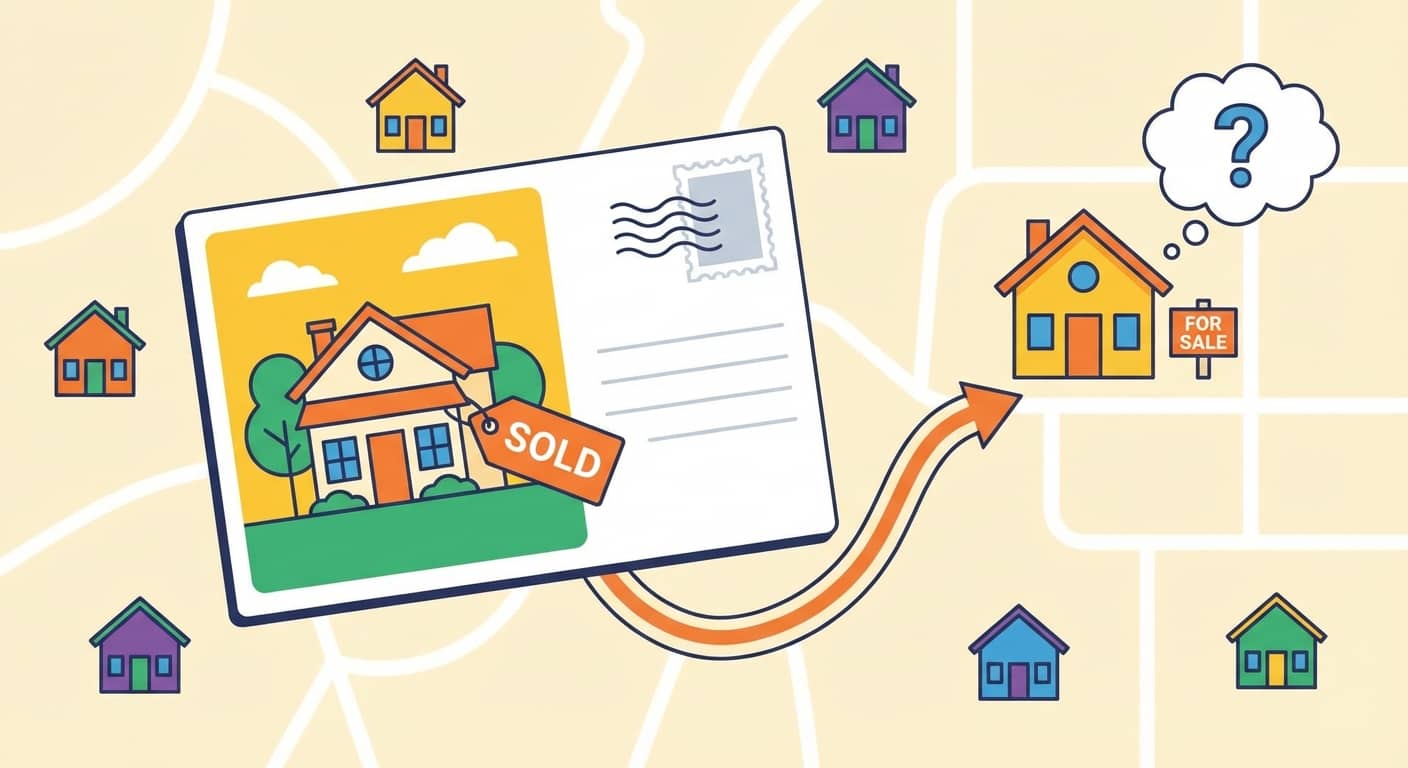
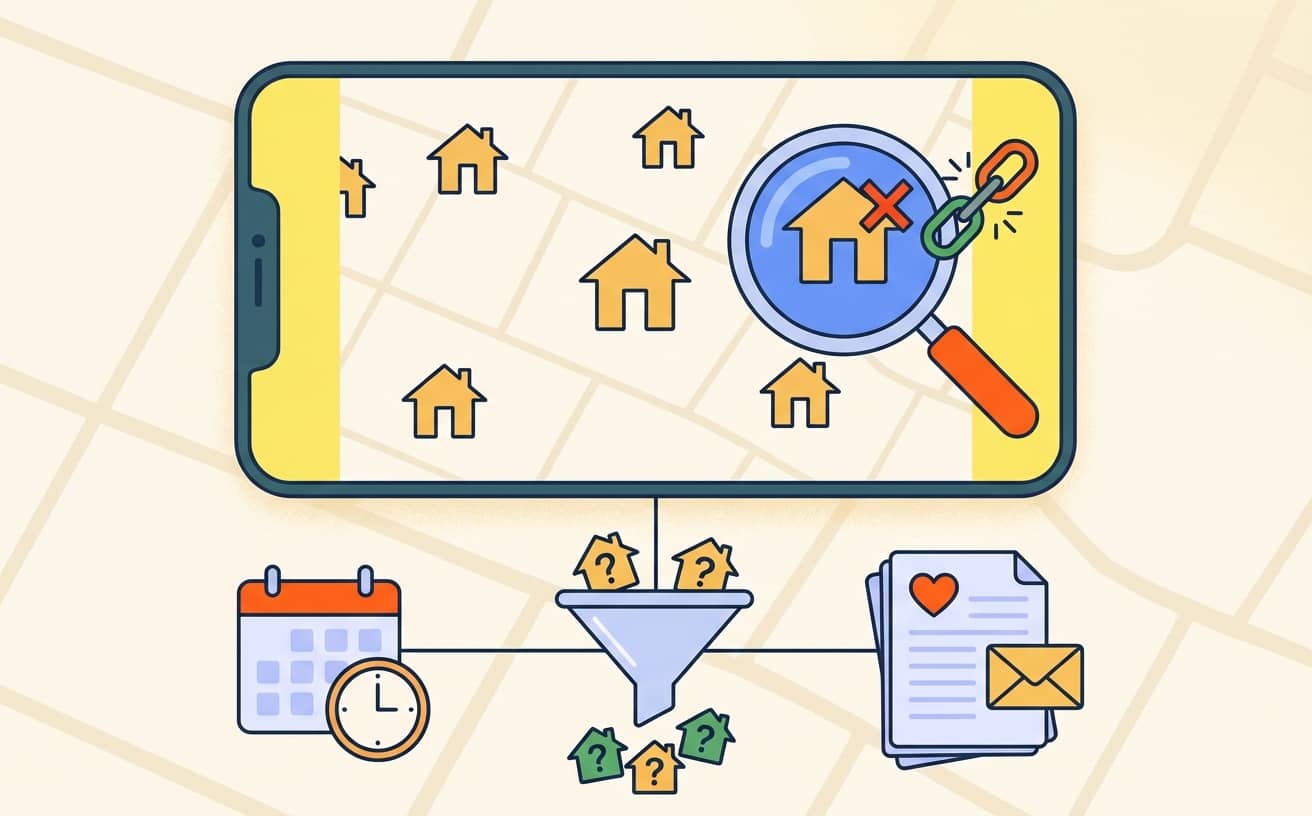 Marketing · Jan 31, 2026Just Sold Real Estate Postcards: 2026 Marketing GuideLearn how to use just sold real estate postcards to generate seller leads with better design, smarter targeting, and follow-up that actually gets replies.
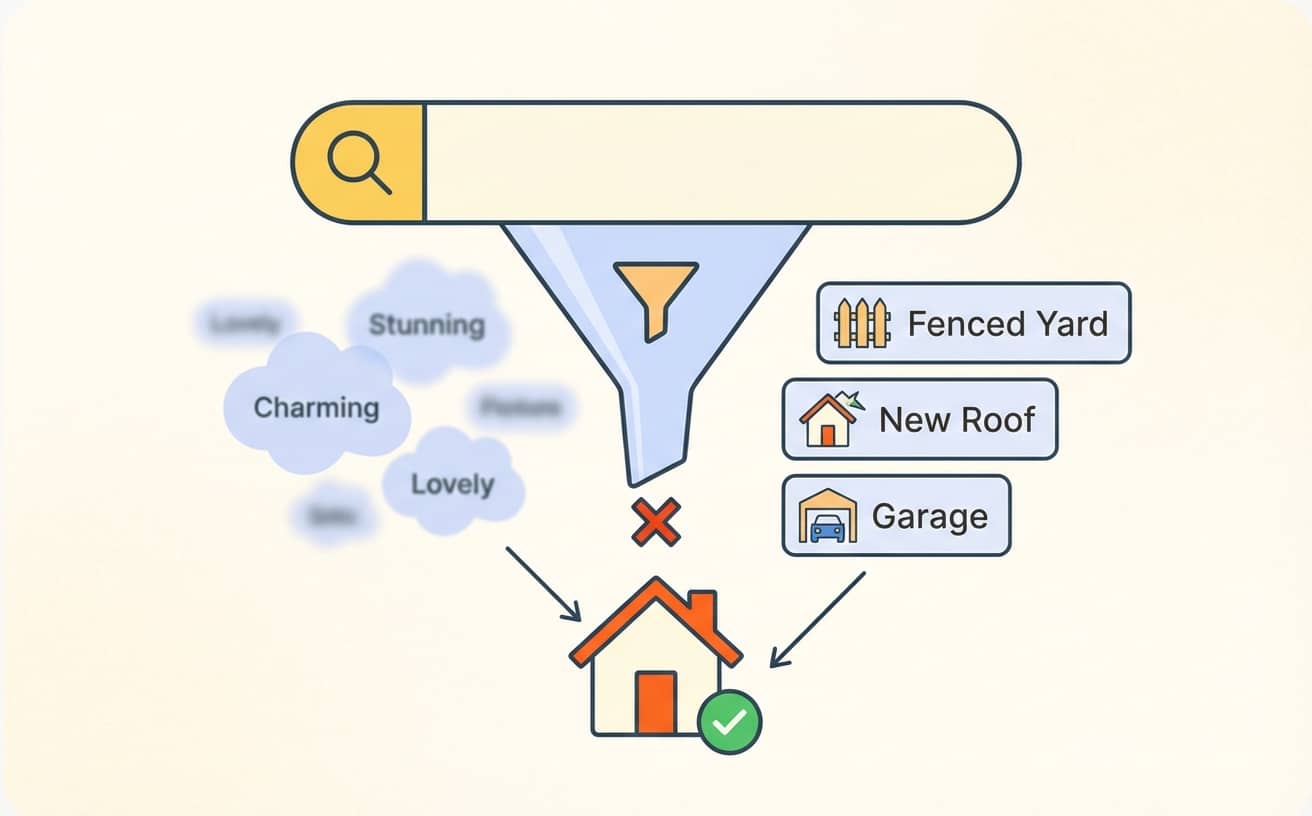
 Marketing · Jan 31, 2026Keywords for Real Estate Listings: 2026 SEO GuideLearn the best keywords for real estate listings, where to place them, and how to write keyword-rich descriptions that still sound human.
 Marketing · Jan 31, 2026Real Estate Open House: 2026 Agent TipsLearn how a real estate open house becomes a lead engine with smart promotion, neighbor outreach, and fast follow-up that turns visitors into clients.
 Marketing · Dec 29, 2025Real Estate Farming Fuels Your Pipeline Without Chasing LeadsAt its core, effective real estate farming is zeroing in on a specific geographic neighborhood or demographic group, then systematically building your…
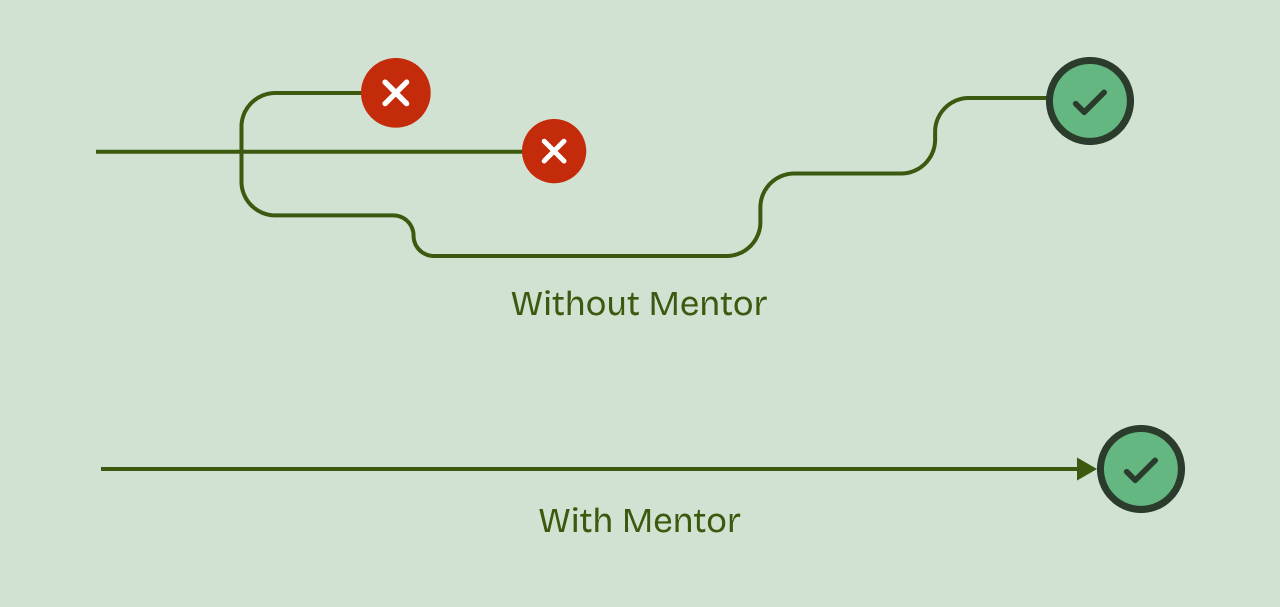
 Marketing · Dec 29, 2025How to Find the Right Real Estate Mentor and Accelerate Your GrowthFind the right real estate mentor to become a top producer. Get actionable tips on how to find a real estate mentor and accelerate your growth, from closing…
 Marketing · Dec 29, 2025How Real Estate Networking Events Build Your Client List in 2026Finding new clients isn’t just about hoping people land on your website. You need real connections. That’s where real estate networking comes in. Building an…
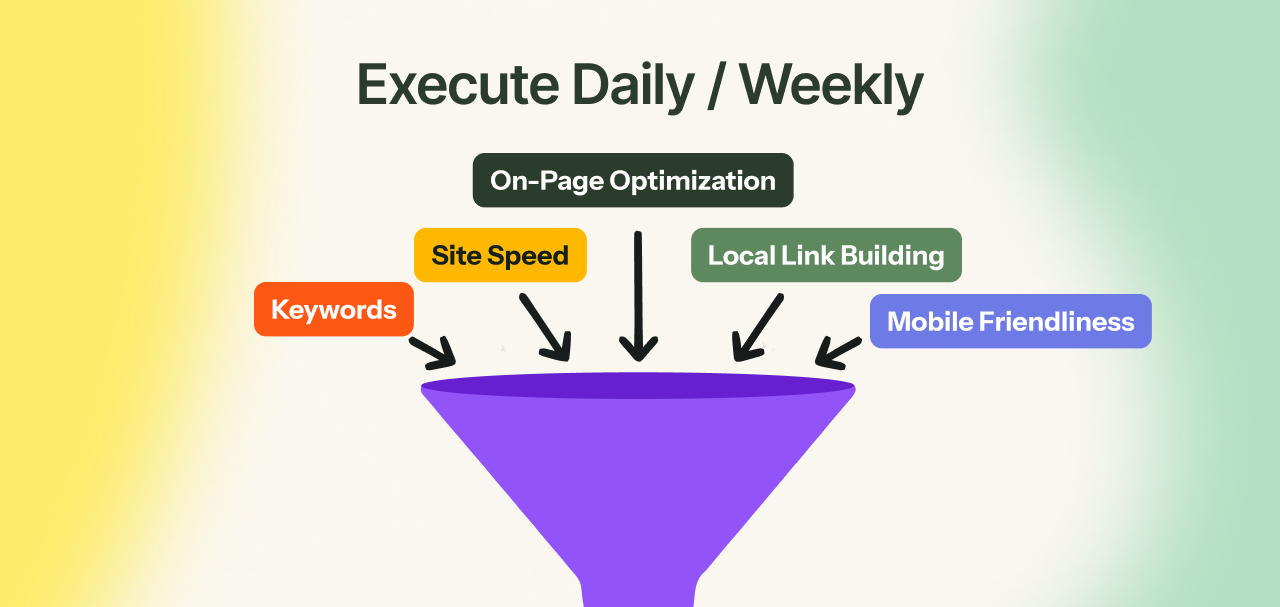
 Marketing · Dec 29, 2025Real Estate SEO: Your Blueprint for 1,389% ROI from Organic LeadsReal Estate SEO: Optimize your real estate website in 2025. Implement top SEO strategies and best practices to rank higher in search engines.
 Marketing · Dec 29, 2025Real Estate Text Message Scripts That Actually Get RepliesPeople live on their phones. A text cuts through the noise when a call can feel intrusive. This isn’t about spamming anyone. It’s about starting real,…
 Marketing · Nov 5, 2025Home Seller Leads (2025): Proven Ways to Find and Convert More ListingsProven channels and copy-and-paste playbooks to find seller leads and convert them to listings. Scripts, one-pagers, and campaigns that are ready to run. If…Marketing · Sep 30, 2025ChatGPT Prompts for Real Estate Agents: 40+ Ways to Use ChatGPTSee 40+ ChatGPT prompts for the real estate industry - listing descriptions, newsletters, social media marketing, CMAs, property valuation, and more.
 Marketing · Sep 30, 2025How to Skyrocket Your GCI Commission in Real Estate In 2025Learn how to grow your GCI with 7 proven levers top agents use to scale revenue, close more deals, and build long-term success.
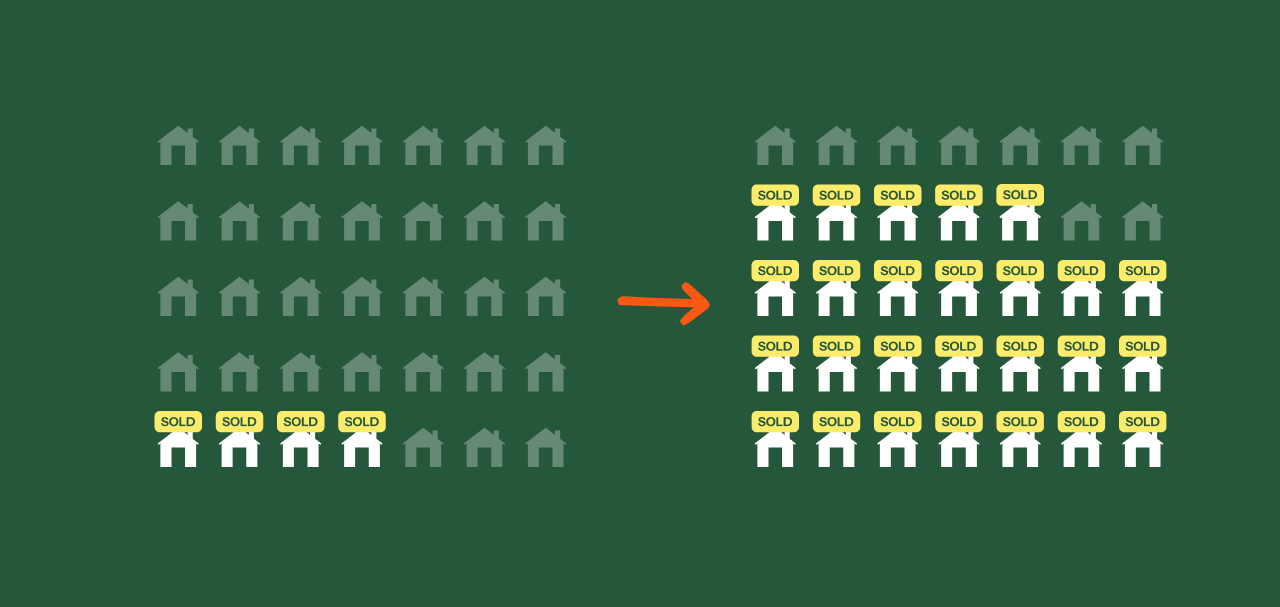 Marketing · Sep 30, 2025Real Estate GCI: How to Calculate Commission & SplitsWhat is GCI in real estate? Learn the definition, formula, broker splits, caps, and see examples to set income goals. Includes a step-by-step GCI vs net…
 Marketing · Jun 24, 2025Instagram Reel Ideas for Real Estate AgentsInstagram Reels have become a powerhouse for real estate agents, offering 4X the inquiries of static posts and massive reach thanks to algorithm boosts. By…
 Marketing · Jun 24, 2025Marketing Pocket Listings & Off-Market Listings: A Guide for Real Estate AgentsPocket listings are properties for sale but marketed privately through the listing agent’s network rather than being publicly listed on the multiple listing…
 Marketing · Jun 24, 20252025 Real Estate Market Trends: The Top Trends TodayReal estate marketing in 2025 is all about combining tech-driven tools like AI content, short-form video, and predictive automation with old-school,…
 Marketing · Jun 24, 2025Real Estate Video Tips: YouTube Ads for Real Estate Agents & Lead GenerationReal estate video ads on YouTube offer a powerful way to generate leads by combining visual storytelling with precise targeting, allowing agents to connect…
 Marketing · Jun 24, 20252025 Guide for Effective Retargeting: Real Estate Retargeting Ads ExplainedBoost real estate marketing with retargeting ads. Learn strategies to keep leads engaged, build brand awareness, and convert prospects. For real estate agents.
 Marketing · Jun 5, 2025The Ultimate Real Estate Listing Marketing PlanMost successful real estate agents can talk a big game about marketing, but do you have a real estate listing marketing plan you can roll out on day one? If…
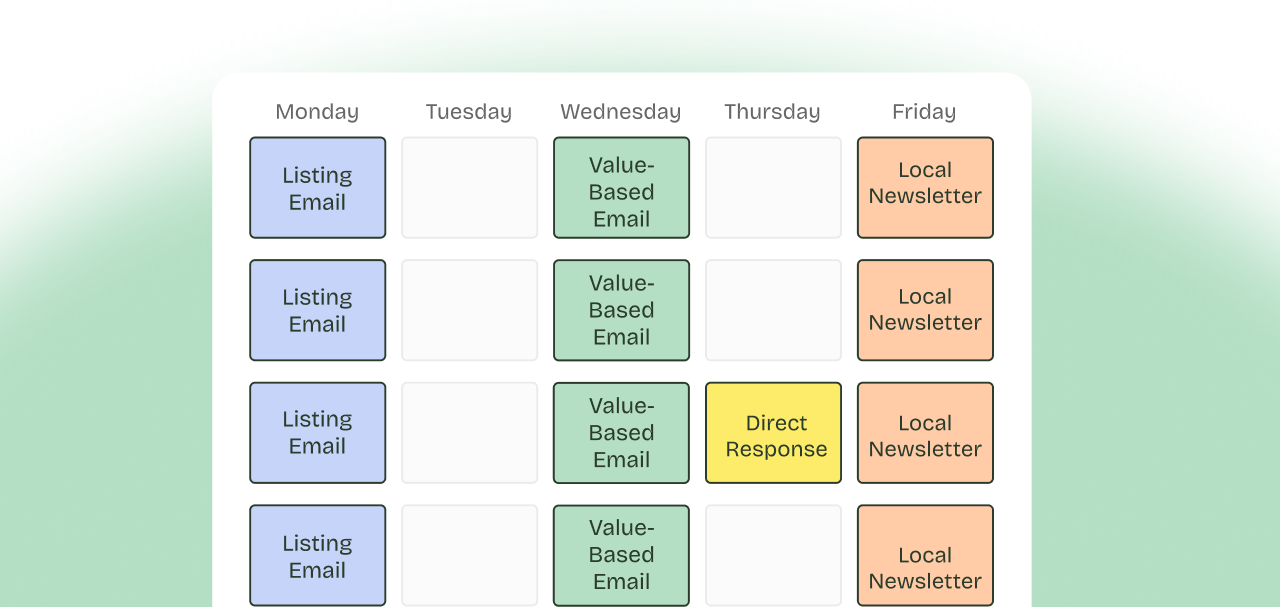 Marketing · Jun 4, 2025Viral Listing Strategies That Multiply Transactions (Even in a Low Inventory MarketBelow is a three-step blueprint showing how to acquire more listings, secure appointments, and multiply each closing, so every property becomes the center of…
 Marketing · Jun 3, 2025The Ultimate Real Estate Listing Presentation Template for 2025The Ultimate Listing Presentation Template: Create standout real estate listing presentations. Use our listing presentation template to win listings.
 Marketing · May 8, 2025The Top 7 Mistakes Agents Make at Listing Appointments (and How to Avoid Them)Listing appointments can feel routine if you’ve been in the game a while, but a lot has changed in recent years. Sellers today have watched hours of YouTube…
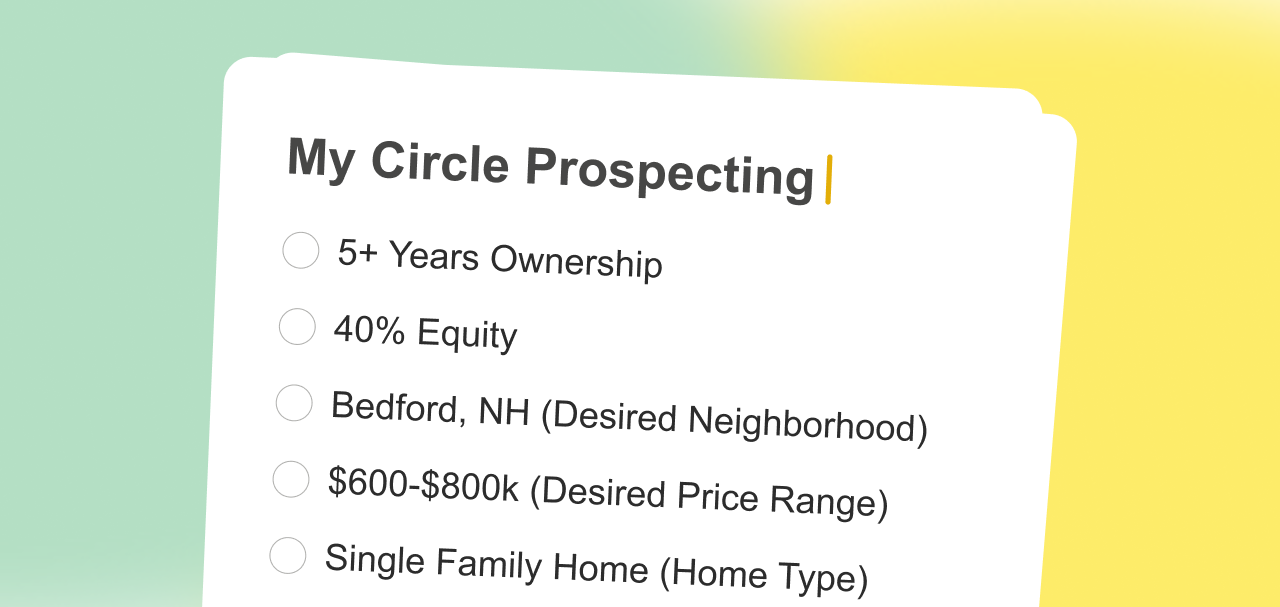
 Marketing · May 7, 2025The Secret To Real Estate Circle Prospecting That Gets ListingsAgents often work hard to snag a new listing, only to celebrate the win, close the deal, and move on. No follow-up in the surrounding neighborhood. No…
 Marketing · May 7, 2025The Best Real Estate Lead Follow Up Strategies Top Agents UseMost agents don’t need more leads. They need better follow-up. That’s usually the missing piece. Agents are leaving tens of thousands of dollars on the table…
 Marketing · May 1, 2025How to Get More Real Estate Listings in 2025Do you need more listings in 2025?Real estate has never been simple, but it can be especially challenging now, with more agents crowding the market and fewer…
 Marketing · Apr 30, 2025The Top 6 Real Estate Lead Generation Sources in 2025Are you itching to level up your real estate lead game—like, now?The past few years, some agents scaled while others sat around complaining that their leads…
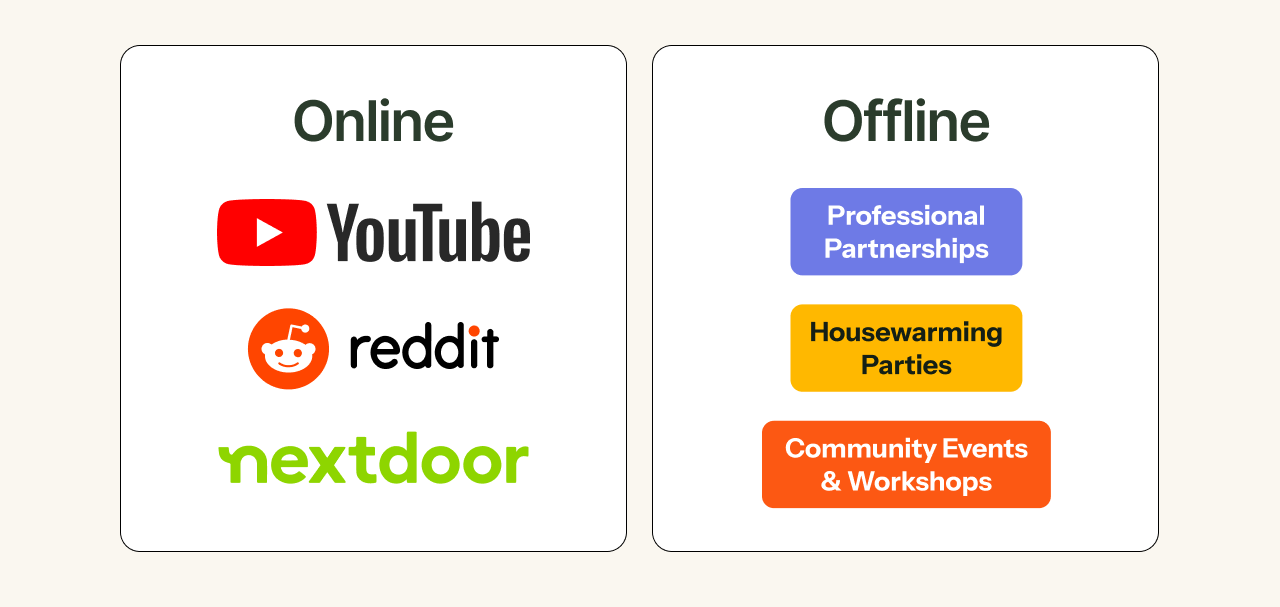 Marketing · Apr 28, 2025Best Real Estate Coaches 2025 — Pricing & Who They’re ForCompare top real estate coaches in 2025 — pricing, format, and who each program best serves. Scannable table, short reviews, & a quick buyer’s guide.
 Marketing · Apr 28, 2025How To Use A Just Sold Campaign For More Seller LeadsBelow, I’ll share strategies (some I’ve tested, some I’ve coached others to use) that go beyond the tired “Just Sold” postcard. You’ll learn how to stand out…
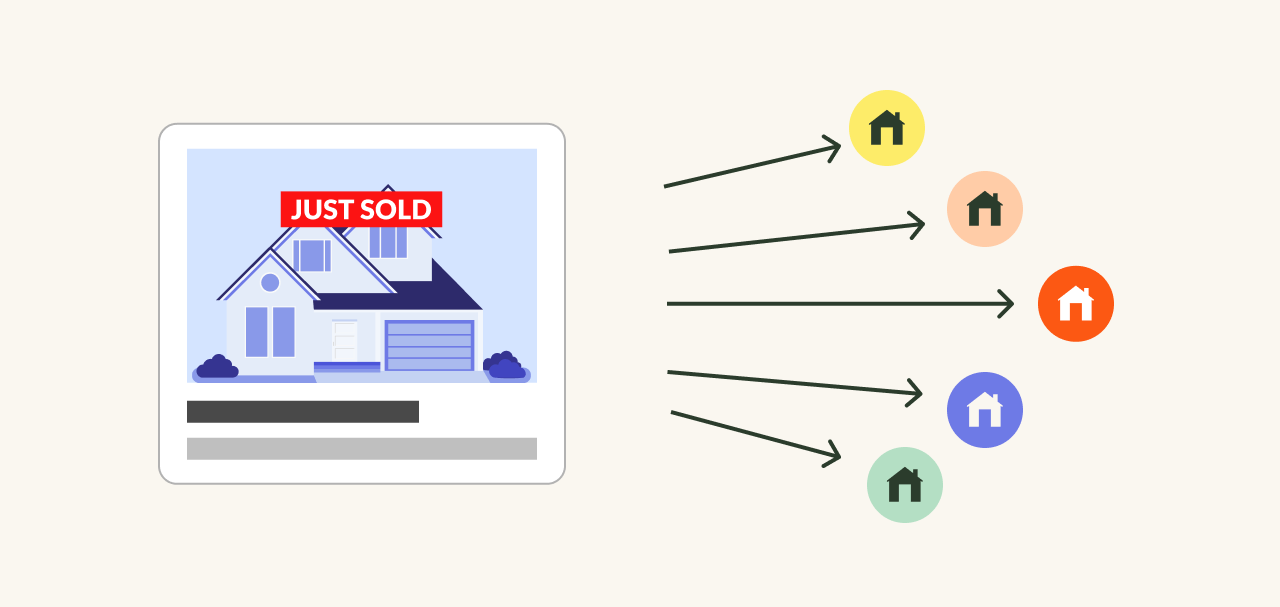 Marketing · Apr 27, 202525+ FSBO Scripts That Actually Work in 2025 (Phone/Text/Email/Voicemail)Copy FSBO scripts that book previews and win listings—phone, text, email, DM, video, objections, and follow‑up. Includes a free, printable script pack.
 Marketing · Apr 25, 2025Are You Really Prospecting… or Just Hoping?The housing market has shifted in ways we couldn’t have predicted. In 2024, the median price for existing homes hovered around $400,000, but what really…
 Marketing · Apr 25, 2025Expired Listing Leads: Best Sources, Pricing & Scripts (2025)Learn where to get expired listing leads (REDX, Vulcan7, ArchAgent, Landvoice, Mojo, Espresso Agent), typical pricing, and scripts that convert—plus DNC/TCPA…
 Marketing · Apr 24, 20255 Surprising Direct Mail Concepts to Book More Real Estate Appointments (No, Direct Mail Isn’t Dead)Are you hungry for more listings but tired of all the same old marketing gimmicks? Every time I’m on the road speaking at conferences, real estate agents come…
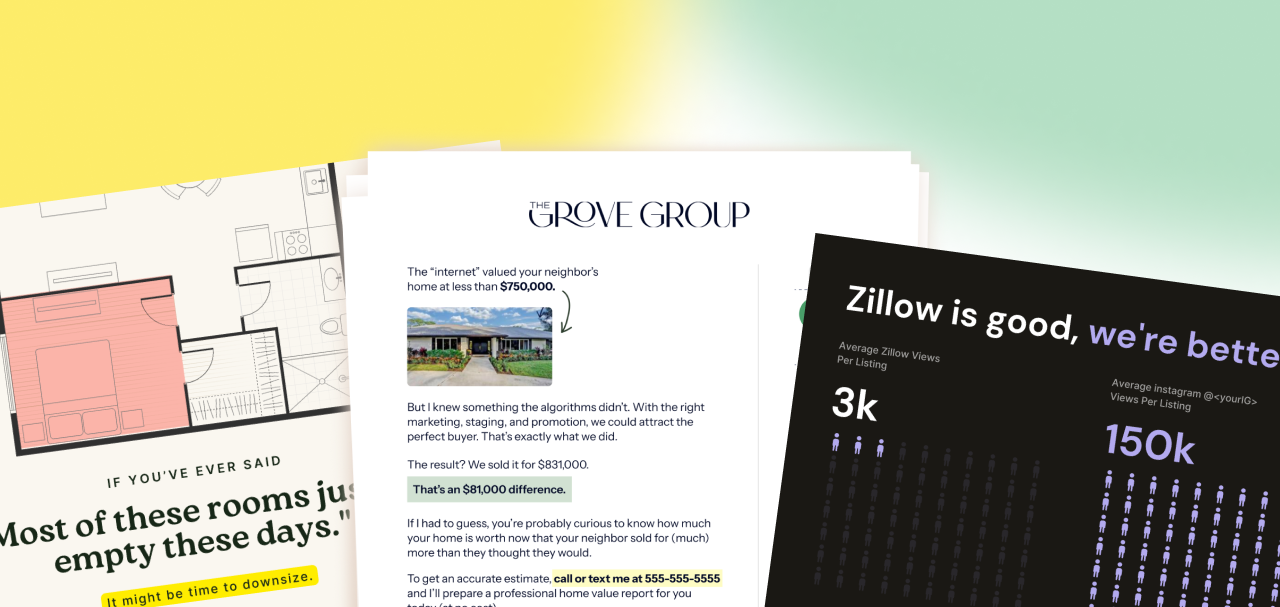 Marketing · Apr 23, 20254 Direct Mail Strategies to Win Listings in 2025 (Why Postcards & Letters Crush)You might be thinking, “Does direct mail work in 2025?” Trust me, you’re not alone. But here’s the interesting thing: direct mail continues to thrive, and in…
 Marketing · Apr 23, 20257 Email Marketing Tactics to Turn Your Real Estate Database into Listing AppointmentsAre you sitting on a database of contacts but feeling stuck on how to convert them into actual listing appointments? Every time I’m on the road, agents ask…
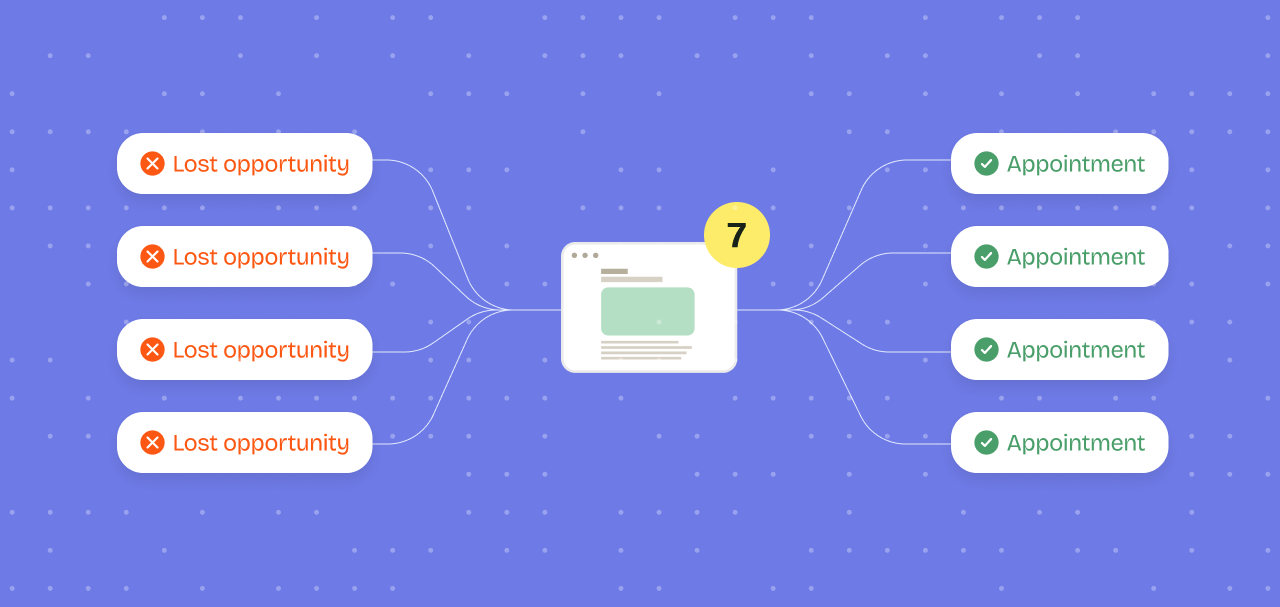 Marketing · Apr 23, 2025How 1 Simple Email Landed $1,700,000+ In ListingsHere’s why this email stands out: it’s not pushing for a decision. Instead, it starts a conversation, which naturally leads to action. Think about this -…Marketing · Apr 23, 2025How to Consistently Attract More Real Estate Listings Using Listing LeadsIn one of the largest listing attraction experiments in real estate history, 2,500 agents generated 20,000 appointments and closed $7.5 billion in business.
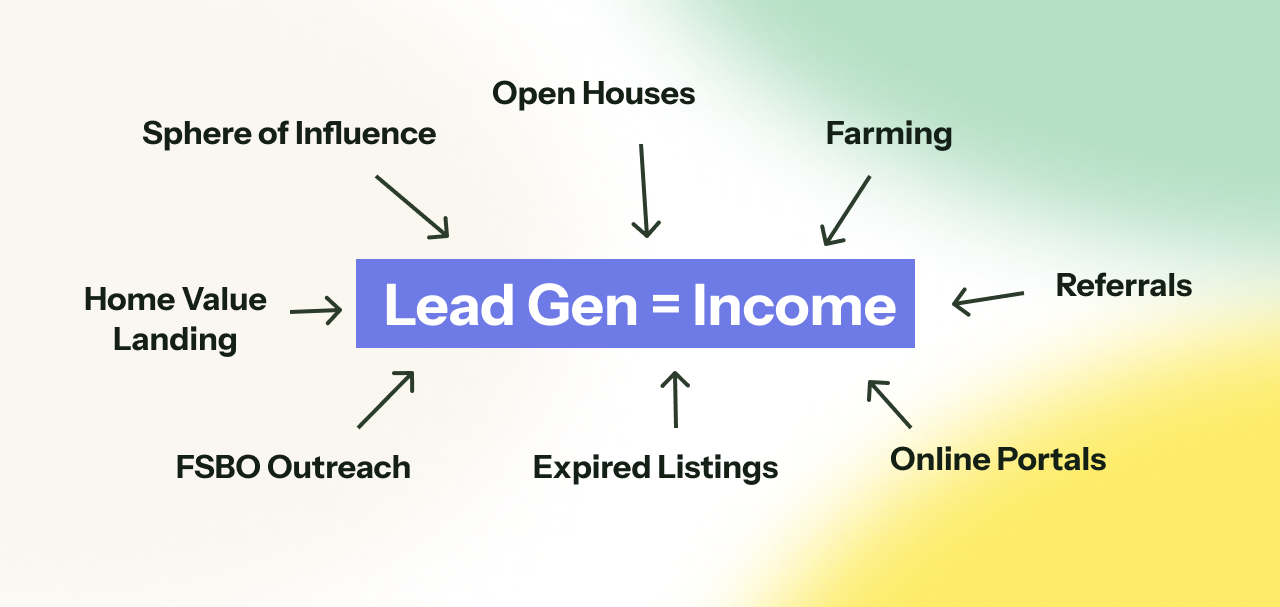
 Marketing · Apr 23, 2025So… Why Should You Care About Lead Generation?Lead generation can feel like you’re juggling flaming torches—especially if you’re new to real estate and worried about where your next client will come from.…
 Research · Apr 23, 2025The Real Estate Digital Advertising Playbook: 7 Winning Moves for Agents Who Want More LeadsAre you prospecting hard enough? If you’ve ever felt that gnawing question—especially in the world of real estate—you’re not alone. Every time I’m on the…
 Marketing · Apr 23, 2025Viral Real Estate Video Success: 100 Headlines to Attract Home SellersAs we prepare to launch the all-new ListingLeads.com YouTube Library, we’ve been diving deep into the world of real estate video content to identify the key…
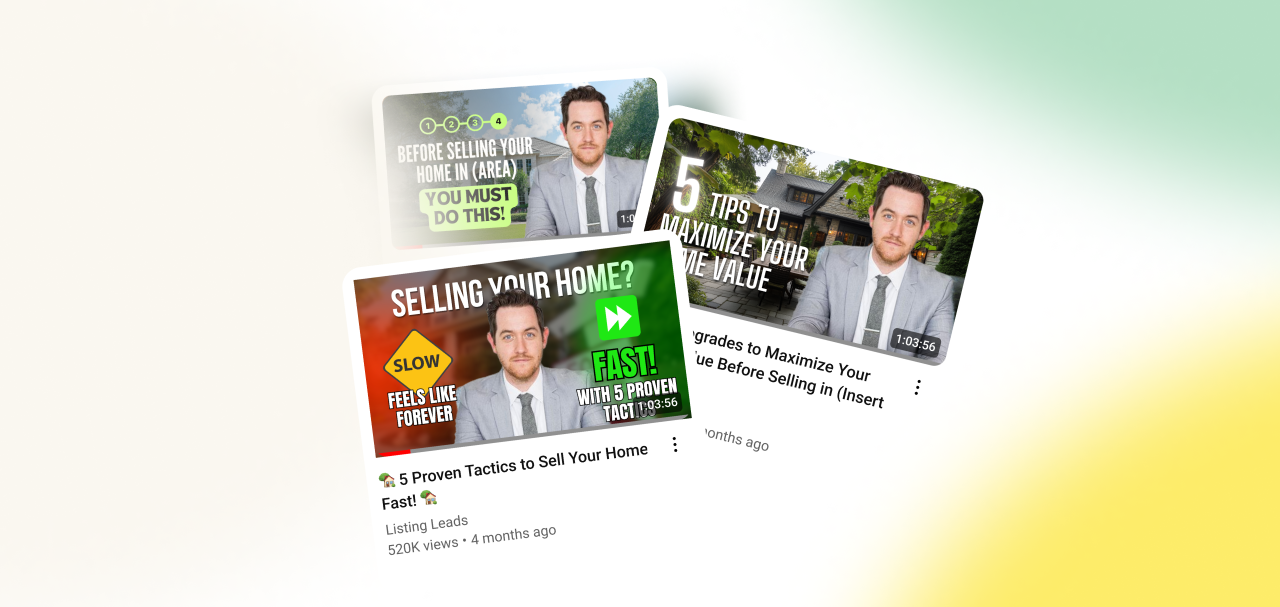
 Marketing · Apr 23, 2025YouTube Masterclass: How to Win More Listings Through Video MarketingAfter diving deep into 5,000+ high-performing YouTube videos, we’ve cracked the code on the exact frameworks, hooks, and strategies that are working right now…
 Marketing · Apr 23, 20255 YouTube Videos Every Real Estate Agent Should MakeYouTube is an untapped goldmine for real estate agents who want to boost their digital marketing game. And I’m not talking about putting together a 30-second…
 Marketing · Apr 23, 2025Master the Phone: 7 Real Estate Phone & Text Scripts to Book More AppointmentsIn this article, you’ll get a taste of the most practical phone and text scripts I’ve written for agents—or seen other top agents test—to convert curious…
 Marketing · Mar 31, 2025How to Connect Follow Up Boss (FUB) to ListingLeads.comConnecting your CRM to ListingLeads.com allows you to seamlessly sync email and text templates directly into Follow Up Boss (FUB), making it easier than ever…
Oct 19, 2026Why Drips and Listing Alerts Aren’t Enough to Get Deals From Your DatabaseVideo · Sep 26, 2026Five Campaigns to Finish the Year StrongVideo · Sep 25, 2026Five Emails That Book Your Next Listing AppointmentSep 19, 2026I let ChatGPT Edit My Video (Guide)A practical guide to creating a polished talking-head Reel with ChatGPT and HyperFrames.AI · Sep 9, 2026How to use AI to Follow Up with LeadsA price drop, a nearby sale, a credit a buyer negotiated. Set up Astra in ChatGPT Work to email the right 20 contacts weekly, with the exact instructions.Marketing · Sep 4, 2026How I Built a Landing Page That Follows UpA coming soon listing page with one button: tap it, text, and get a reply in seconds. Every prompt, tool, and how to recreate it yourself.Aug 31, 2026Low-Cost Lead Generation For Real Estate AgentsAug 25, 2026Nine ways to turn every listing into more listingsListing marketingAug 25, 2026The second touch: a better way to turn prospecting into conversations.The simplest way to book more appointments - add a 2nd touch (here's how) Aug 24, 2026My favorite sales hack: the second touchThe second touch is a second message you plan before you send the first one. In my experience working expired, farm and database lists, most outreach stops.Aug 21, 2026Real estate conversation starters: 28 openers that actually get a replyScripts·Database·28 openersAug 19, 2026Real estate agents vs. OpendoorInstead of running cash offer campaigns, try this instead
Email marketing · Aug 18, 2026How to turn your email list into listing appointments (with examples)Two campaigns plus five marketable moments per listing, with the exact copy for each. Turn the database you already have into listing appointments.Aug 16, 2026A New Approach to Just Sold MarketingWhen you list a home, does it sell? Your farm is full of people who already found out the hard way that the answer is often no.Listing leads · Aug 13, 20269 ways to get more listingsNine listing lead plays you can start this week. Scripts, letters, and flows included.Aug 12, 2026The Magic Buyer playbook: how one qualified buyer becomes nine listing campaignsMost agents look at a buyer and see one commission. That's the wrong math.Aug 11, 202657 real estate cold outreach openers that get repliesCopy and paste scripts, organized by the one thing most cold outreach is missing: a legitimate reason to contact this person today.Marketing · Jan 31, 2026AI for Real Estate Listings: 2026 Market TrendsLearn how to use AI for real estate listings to write better copy, improve visuals, respond faster, and stay compliant without losing your voice.Research · Jan 31, 2026Expired Listing Guide for Realtors: 2026 Success PlanTurn expired listings into signed clients with a simple daily routine, calm scripts, and a meeting process that fixes what broke the first time.Marketing · Jan 31, 2026Expired Listing Scripts: 2026 Realtor Success TipsUse these expired listing scripts to start real conversations, handle pushback calmly, and book more seller meetings without sounding like a cold caller.Marketing · Jan 31, 2026Expired Listings Letter Examples – Proven Templates 2026Use these expired listings letter examples to stand out fast, earn seller trust, and book more listing appointments with a simple follow-up system.Research · Jan 31, 2026Expired MLS Listings: 2026 Market SecretsExpired MLS listings aren’t dead ends. Learn how to spot the best ones fast, start the right conversation, and win the relist with a clear plan.Research · Jan 31, 2026How to Find Expired Listings on Zillow: 2026 GuideLearn how to find expired listings on Zillow, spot motivated sellers, and turn vanished listings into a reliable source of high-converting leads.Marketing · Jan 31, 2026Just Sold Real Estate Postcards: 2026 Marketing GuideLearn how to use just sold real estate postcards to generate seller leads with better design, smarter targeting, and follow-up that actually gets replies.Marketing · Jan 31, 2026Keywords for Real Estate Listings: 2026 SEO GuideLearn the best keywords for real estate listings, where to place them, and how to write keyword-rich descriptions that still sound human.Marketing · Jan 31, 2026Real Estate Open House: 2026 Agent TipsLearn how a real estate open house becomes a lead engine with smart promotion, neighbor outreach, and fast follow-up that turns visitors into clients.Marketing · Dec 29, 2025Real Estate Farming Fuels Your Pipeline Without Chasing LeadsAt its core, effective real estate farming is zeroing in on a specific geographic neighborhood or demographic group, then systematically building your…Marketing · Dec 29, 2025How to Find the Right Real Estate Mentor and Accelerate Your GrowthFind the right real estate mentor to become a top producer. Get actionable tips on how to find a real estate mentor and accelerate your growth, from closing…Marketing · Dec 29, 2025How Real Estate Networking Events Build Your Client List in 2026Finding new clients isn’t just about hoping people land on your website. You need real connections. That’s where real estate networking comes in. Building an…Marketing · Dec 29, 2025Real Estate SEO: Your Blueprint for 1,389% ROI from Organic LeadsReal Estate SEO: Optimize your real estate website in 2025. Implement top SEO strategies and best practices to rank higher in search engines.Marketing · Dec 29, 2025Real Estate Text Message Scripts That Actually Get RepliesPeople live on their phones. A text cuts through the noise when a call can feel intrusive. This isn’t about spamming anyone. It’s about starting real,…Marketing · Nov 5, 2025Home Seller Leads (2025): Proven Ways to Find and Convert More ListingsProven channels and copy-and-paste playbooks to find seller leads and convert them to listings. Scripts, one-pagers, and campaigns that are ready to run. If…Marketing · Sep 30, 2025ChatGPT Prompts for Real Estate Agents: 40+ Ways to Use ChatGPTSee 40+ ChatGPT prompts for the real estate industry - listing descriptions, newsletters, social media marketing, CMAs, property valuation, and more.Marketing · Sep 30, 2025How to Skyrocket Your GCI Commission in Real Estate In 2025Learn how to grow your GCI with 7 proven levers top agents use to scale revenue, close more deals, and build long-term success.Marketing · Sep 30, 2025Real Estate GCI: How to Calculate Commission & SplitsWhat is GCI in real estate? Learn the definition, formula, broker splits, caps, and see examples to set income goals. Includes a step-by-step GCI vs net…Marketing · Jun 24, 2025Instagram Reel Ideas for Real Estate AgentsInstagram Reels have become a powerhouse for real estate agents, offering 4X the inquiries of static posts and massive reach thanks to algorithm boosts. By…Marketing · Jun 24, 2025Marketing Pocket Listings & Off-Market Listings: A Guide for Real Estate AgentsPocket listings are properties for sale but marketed privately through the listing agent’s network rather than being publicly listed on the multiple listing…Marketing · Jun 24, 20252025 Real Estate Market Trends: The Top Trends TodayReal estate marketing in 2025 is all about combining tech-driven tools like AI content, short-form video, and predictive automation with old-school,…Marketing · Jun 24, 2025Real Estate Video Tips: YouTube Ads for Real Estate Agents & Lead GenerationReal estate video ads on YouTube offer a powerful way to generate leads by combining visual storytelling with precise targeting, allowing agents to connect…Marketing · Jun 24, 20252025 Guide for Effective Retargeting: Real Estate Retargeting Ads ExplainedBoost real estate marketing with retargeting ads. Learn strategies to keep leads engaged, build brand awareness, and convert prospects. For real estate agents.Marketing · Jun 5, 2025The Ultimate Real Estate Listing Marketing PlanMost successful real estate agents can talk a big game about marketing, but do you have a real estate listing marketing plan you can roll out on day one? If…Marketing · Jun 4, 2025Viral Listing Strategies That Multiply Transactions (Even in a Low Inventory MarketBelow is a three-step blueprint showing how to acquire more listings, secure appointments, and multiply each closing, so every property becomes the center of…Marketing · Jun 3, 2025The Ultimate Real Estate Listing Presentation Template for 2025The Ultimate Listing Presentation Template: Create standout real estate listing presentations. Use our listing presentation template to win listings.Marketing · May 8, 2025The Top 7 Mistakes Agents Make at Listing Appointments (and How to Avoid Them)Listing appointments can feel routine if you’ve been in the game a while, but a lot has changed in recent years. Sellers today have watched hours of YouTube…Marketing · May 7, 2025The Secret To Real Estate Circle Prospecting That Gets ListingsAgents often work hard to snag a new listing, only to celebrate the win, close the deal, and move on. No follow-up in the surrounding neighborhood. No…Marketing · May 7, 2025The Best Real Estate Lead Follow Up Strategies Top Agents UseMost agents don’t need more leads. They need better follow-up. That’s usually the missing piece. Agents are leaving tens of thousands of dollars on the table…Marketing · May 1, 2025How to Get More Real Estate Listings in 2025Do you need more listings in 2025?Real estate has never been simple, but it can be especially challenging now, with more agents crowding the market and fewer…Marketing · Apr 30, 2025The Top 6 Real Estate Lead Generation Sources in 2025Are you itching to level up your real estate lead game—like, now?The past few years, some agents scaled while others sat around complaining that their leads…Marketing · Apr 28, 2025Best Real Estate Coaches 2025 — Pricing & Who They’re ForCompare top real estate coaches in 2025 — pricing, format, and who each program best serves. Scannable table, short reviews, & a quick buyer’s guide.Marketing · Apr 28, 2025How To Use A Just Sold Campaign For More Seller LeadsBelow, I’ll share strategies (some I’ve tested, some I’ve coached others to use) that go beyond the tired “Just Sold” postcard. You’ll learn how to stand out…Marketing · Apr 27, 202525+ FSBO Scripts That Actually Work in 2025 (Phone/Text/Email/Voicemail)Copy FSBO scripts that book previews and win listings—phone, text, email, DM, video, objections, and follow‑up. Includes a free, printable script pack.Marketing · Apr 25, 2025Are You Really Prospecting… or Just Hoping?The housing market has shifted in ways we couldn’t have predicted. In 2024, the median price for existing homes hovered around $400,000, but what really…Marketing · Apr 25, 2025Expired Listing Leads: Best Sources, Pricing & Scripts (2025)Learn where to get expired listing leads (REDX, Vulcan7, ArchAgent, Landvoice, Mojo, Espresso Agent), typical pricing, and scripts that convert—plus DNC/TCPA…Marketing · Apr 24, 20255 Surprising Direct Mail Concepts to Book More Real Estate Appointments (No, Direct Mail Isn’t Dead)Are you hungry for more listings but tired of all the same old marketing gimmicks? Every time I’m on the road speaking at conferences, real estate agents come…Marketing · Apr 23, 20254 Direct Mail Strategies to Win Listings in 2025 (Why Postcards & Letters Crush)You might be thinking, “Does direct mail work in 2025?” Trust me, you’re not alone. But here’s the interesting thing: direct mail continues to thrive, and in…Marketing · Apr 23, 20257 Email Marketing Tactics to Turn Your Real Estate Database into Listing AppointmentsAre you sitting on a database of contacts but feeling stuck on how to convert them into actual listing appointments? Every time I’m on the road, agents ask…Marketing · Apr 23, 2025How 1 Simple Email Landed $1,700,000+ In ListingsHere’s why this email stands out: it’s not pushing for a decision. Instead, it starts a conversation, which naturally leads to action. Think about this -…Marketing · Apr 23, 2025How to Consistently Attract More Real Estate Listings Using Listing LeadsIn one of the largest listing attraction experiments in real estate history, 2,500 agents generated 20,000 appointments and closed $7.5 billion in business.Marketing · Apr 23, 2025So… Why Should You Care About Lead Generation?Lead generation can feel like you’re juggling flaming torches—especially if you’re new to real estate and worried about where your next client will come from.…Research · Apr 23, 2025The Real Estate Digital Advertising Playbook: 7 Winning Moves for Agents Who Want More LeadsAre you prospecting hard enough? If you’ve ever felt that gnawing question—especially in the world of real estate—you’re not alone. Every time I’m on the…Marketing · Apr 23, 2025Viral Real Estate Video Success: 100 Headlines to Attract Home SellersAs we prepare to launch the all-new ListingLeads.com YouTube Library, we’ve been diving deep into the world of real estate video content to identify the key…Marketing · Apr 23, 2025YouTube Masterclass: How to Win More Listings Through Video MarketingAfter diving deep into 5,000+ high-performing YouTube videos, we’ve cracked the code on the exact frameworks, hooks, and strategies that are working right now…Marketing · Apr 23, 20255 YouTube Videos Every Real Estate Agent Should MakeYouTube is an untapped goldmine for real estate agents who want to boost their digital marketing game. And I’m not talking about putting together a 30-second…Marketing · Apr 23, 2025Master the Phone: 7 Real Estate Phone & Text Scripts to Book More AppointmentsIn this article, you’ll get a taste of the most practical phone and text scripts I’ve written for agents—or seen other top agents test—to convert curious…Marketing · Mar 31, 2025How to Connect Follow Up Boss (FUB) to ListingLeads.comConnecting your CRM to ListingLeads.com allows you to seamlessly sync email and text templates directly into Follow Up Boss (FUB), making it easier than ever…